Creating a Safe Home for Older Adults
For many of us, our home is where we feel most comfortable, independent, and in control. It is no surprise, then, that the vast majority of older adults prefer to “age in place,” staying in their own residences rather than moving to assisted living facilities. However, those homes can sometimes be riddled with hidden hazards, especially as mobility, vision, and balance decline with age. Fortunately, there are many practical things you can do to promote senior home safety. Here’s what you need to know about creating a safer living space for older adults.
What Does a “Safe Home for Older Adults” Entail?
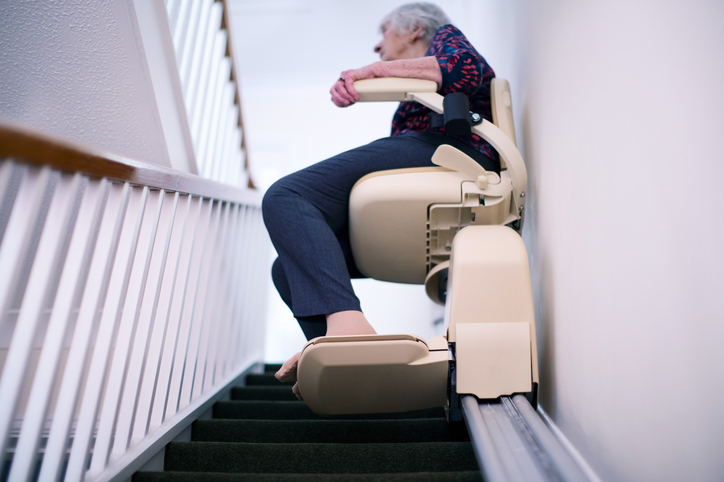
A safe home for an older adult goes beyond simply installing a ramp at the front door. A truly safe home minimizes physical strain and eliminates the need for risky maneuvers such as climbing on step stools or stepping over high tub walls. Creating an environment for aging at home might involve widening doorways, lowering countertops, or installing smart technology to monitor for emergencies. Ultimately, a safe home is where older adults can feel comfortable and confident.
The Common Risks Older Adults Face at Home
Before you make any home modifications to accommodate an older loved one, it’s helpful to understand the most common dangers. Falls are, by far, the leading cause of injury among older adults. According to the Centers for Disease Control and Prevention (CDC), millions of people aged 65 and older fall each year, and one out of ten falls results in an injury that requires the individual to seek medical attention and restrict their activities. While fall prevention should be a top concern, it’s not the only thing to consider. Other common hazards in seniors’ homes include:
- Stove burners and accidental fires;
- Medication errors;
- Poisoning from cleaning supplies;
- Inaccessible doors, especially for seniors with mobility challenges.
Improve Home Safety With Lighting
Adding more lighting is one of the easiest and best ways to improve senior home safety. As we age, our eyes require more light to see clearly, and our ability to distinguish between colors and contrasts diminishes. Simultaneously, our gait changes, making us more susceptible to tripping over minor obstacles. These lighting home modifications can create a safe space for older folks:
- Increase Ambient Light—Replace low-wattage bulbs with brighter, energy-efficient LED options. Be sure that light is evenly distributed to prevent glare and shadows;
- Install Night Lights—Plugs with motion sensors should be placed in hallways, bathrooms, and bedrooms to guide the way during nighttime trips to the bathroom;
- Task Lighting—Add under-cabinet lighting in the kitchen to illuminate countertops and place reading lamps near favorite chairs to reduce eye strain;
- Accessible Switches—Consider rocker-style light switches, which are easier to operate than traditional ones, or install voice-activated smart lights.
Fit Flooring Into Senior-Friendly Design
Slips are another major concern for seniors, even if they don’t deal with mobility issues. Here are a few ways you can keep floors as safe as possible:
- Remove Throw Rugs—Unsecured rugs are one of the biggest tripping hazards in a home. If rugs are necessary, ensure they are low-pile and firmly taped or tacked down;
- Consistency Is Key—Drastic changes in flooring (like moving from high carpet to slick tile) can cause balance issues. Transition strips should be smooth and low-profile.
- Non-Slip Surfaces—Make sure all flooring is non-slip. This might mean switching to carpet over hardwood.
Making Bathrooms Safer
The bathroom is often the most dangerous room in the house for older adults. The combination of water, soap, and hard surfaces creates a perfect storm for slip-and-fall accidents. If you only plan to do a few home modifications, center them on the bathroom. These upgrades can make a big difference:
- Grab Bars—Don’t rely on towel racks to stop falls, as they’re not designed to support human weight. Instead, install ADA-compliant grab bars near the toilet and inside the shower or tub;
- Walk-in Showers—Stepping over a high bathtub wall requires balance and strength that may diminish with age. Converting to a curbless or low-threshold walk-in shower significantly reduces the risk of a fall;
- Shower Seating—A sturdy shower chair or a built-in bench means your loved one can bathe without standing up and risking a fall;
- Raised Toilet Seats—Standard toilets are often too low, making standing up difficult. A raised seat or a toilet with a higher profile makes getting up and down easier and safer.
Why Hire a Professional for Home Safety Modifications?
While some changes like removing clutter or adding night lights are easy DIY projects, structural modifications require professional expertise. Installing grab bars, widening doorways, or remodeling a bathroom involves complex knowledge of construction, plumbing, and safety codes. Professionals also provide an objective eye. Family members often have “blind spots” regarding their own homes or the homes of their parents. A homecare expert can do a comprehensive home safety evaluation and make recommendations you might not consider on your own.
Get Peace of Mind With SmithLife Homecare
Creating a safe home for seniors is the top priority for many caregivers. While making a long list of home modifications might feel daunting, it’s worth it to ensure your loved one stays safe. At SmithLife Homecare, we’re proud to be part of the support system for families in Rockville, MD and the surrounding areas. We can make suggestions for senior-friendly design and help your loved one as they go about daily life. Contact us today to learn more about what we offer.