Seasonal Eating Habits That Help Strengthen Immunity
Walking through a grocery store, you can usually find any fruit or vegetable you want, regardless of the time of year. While this convenience makes meal planning easy, it might be causing you to miss out on one of nature’s best tools for staying healthy. When produce is allowed to fully ripen on the vine or in the soil, it’s incredibly rich in nutrients. But the moment a fruit or vegetable is picked, its nutrients begin to break down. Produce that travels thousands of miles to reach your local supermarket simply can’t compete with food harvested just a few days ago from a nearby farm. Adjusting your diet for seasonal eating is the best way to take advantage of highly nutritious (and tasty!) foods. Find out how to implement seasonal foods into your or your loved one’s diet.
Why Seasonal Eating Matters for Immunity
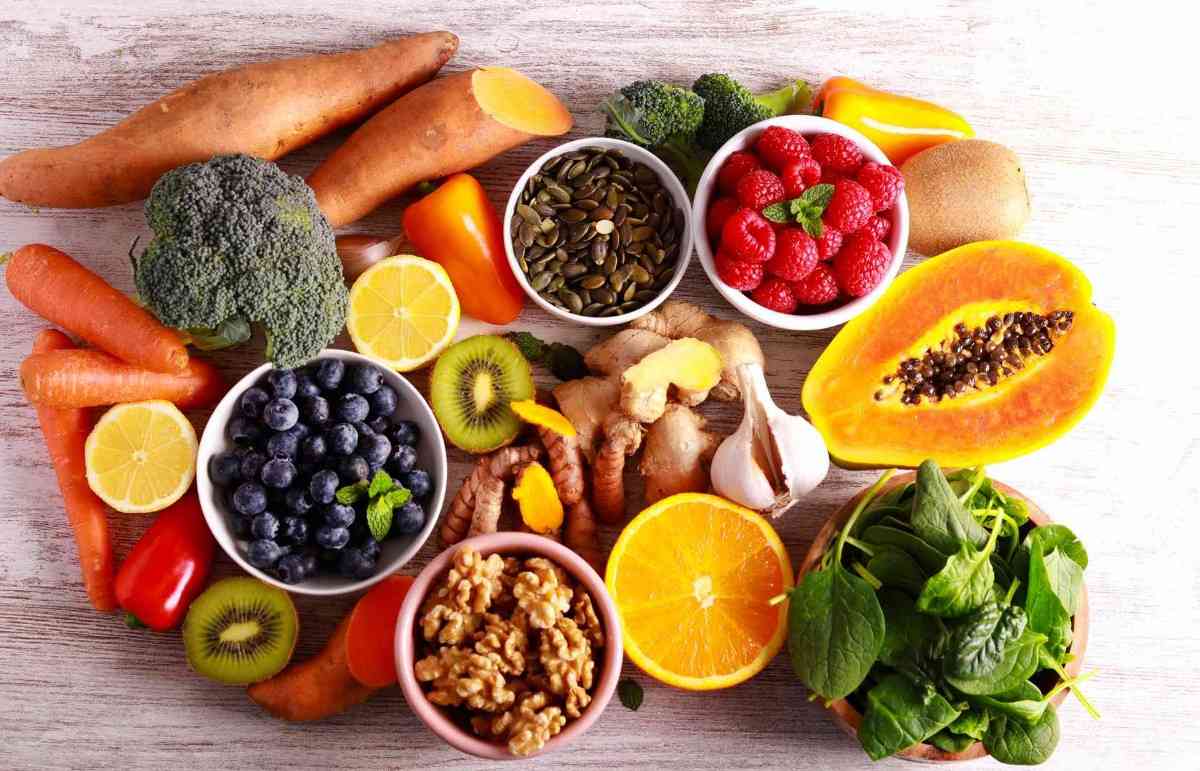
Nature has a remarkable way of providing exactly what our bodies need at specific times of the year. During the cold of winter, the earth produces hearty root vegetables and bright citrus fruits packed with immune-supporting vitamins. When the heat of summer arrives, water-rich fruits like watermelon and cucumbers help keep us hydrated and cool. Produce grown and harvested in its proper season contains higher levels of essential nutrients. Plants naturally develop compounds to protect themselves from changes in the environment, such as pests or harsh weather. When you consume these plants, you absorb those protective compounds, which in turn help shield your own cells from damage.
Which Nutrients Support Immunity?
Before you can choose which seasonal foods you want to introduce to your loved one’s diet, it’s helpful to know which nutrients to look for. These nutrients do the heavy lifting for your immune system:
- Vitamin C—This vitamin encourages the production of white blood cells, which help protect the body against infection.
- Vitamin D—Vitamin D regulates the immune system and helps reduce inflammation. While sunlight is the best source, certain seasonal foods provide a helpful boost during darker months.
- Zinc—This crucial mineral helps immune cells function properly and aids in wound healing. A slight zinc deficiency can significantly impair immune function.
- Antioxidants—These compounds protect your cells from oxidative stress and free radicals, which can weaken your immune response over time.
Try These Seasonal Foods for Immunity
Every season brings a fresh batch of immune-boosting foods! Here’s what you can incorporate each season:
Spring
Spring offers fresh greens that help neutralize toxins and support liver function. Spinach, asparagus, and peas are your best friends during this season. Garlic and onions also sprout in the spring, both of which contain allicin, which is known for its antibacterial and antiviral properties.
Summer
Hydration and antioxidant protection are critical during the hot summer months. Berries, such as strawberries, blueberries, and raspberries, are at their peak and are bursting with antioxidants. Tomatoes and bell peppers offer massive amounts of Vitamin C to keep your immune cells functioning at their best.
Fall
As the temperature drops, your body requires more nutrient-dense foods. Apples and pears provide excellent fiber for gut health, which is closely linked to immune function. Sweet potatoes, pumpkins, and carrots are rich in beta-carotene, which gets converted to vitamin A and maintains healthy skin.
Winter
During the winter, eat seasonal foods that can sustain you through the cold and flu season. Citrus fruits like oranges, grapefruits, and lemons are famous for their high vitamin C content. Hearty greens like kale and Swiss chard also withstand the frost and offer a dense source of vitamins and minerals. To round out your plate, root vegetables like beets and turnips provide lasting energy and important dietary fiber.
Implement These Seasonal Eating Habits
Ready to make seasonal eating part of your senior loved one’s routine? Here are some tips to get you started:
- Visit Local Farmers Markets—This is the easiest way to guarantee you’re buying seasonal, local food. Farmers can also provide great advice on how to prepare unfamiliar vegetables.
- Preserve the Harvest—If you find an abundance of a certain fruit or vegetable at the peak of its season, buy extra and freeze it. This allows you to enjoy high-quality, nutrient-dense produce even when it is out of season locally.
- Embrace Variety—It’s easy to fall into a routine of buying the exact same groceries every week. Challenge yourself to buy one new seasonal vegetable each time you shop.
- Focus on Whole Foods—A seasonal diet naturally steers you away from packaged goods and toward fresh, vibrant ingredients that your body can easily process.
Lifestyle Habits That Complement Seasonal Eating
As you incorporate seasonal foods for immunity into your diet, don’t forget to pair them with healthy lifestyle choices. Whether you’re a senior studying nutrition for yourself or a family caregiver helping a loved one, these habits can maximize the benefits of seasonal eating:
- Get Plenty of Sleep—While you rest, your body releases proteins called cytokines, some of which help promote sleep while others fight infections and inflammation.
- Manage Stress—Long-term stress elevates cortisol levels, which suppresses the immune response.
- Get Moving—Regular physical activity, such as walking, cycling, or yoga, promotes good circulation, which allows immune cells to move freely throughout the body and do their jobs efficiently.
Providing Nutrition Support for Seniors
Aligning your meals with the seasons is a practical and delicious way to support your health. A diet chock-full of foods for boosting immunity isn’t as hard to achieve as you might think. If you need help building a healthy meal plan for your senior loved one, get in touch with SmithLife Homecare. We’re dedicated to providing exceptional in-home care for older adults in Maryland and Washington, DC. Our team would be glad to be part of your support system.